Squid Drawing 141: A Designer's Real-World Embroidery Review
I have spent years stitching, digitizing, and reviewing designs for my own shop and client projects. When a new file lands on my desk, I do not just look at the image; I visualize the finished product. I think about how the threads will lay, how the fabric will react, and whether the final piece will stand up to the wear and tear of daily life. Recently, I examined Squid Drawing 141, a digital asset categorized under Illustrations and Graphics. My goal was to determine if this design had the practical chops to move from a screen preview to a tangible, high-quality embroidered item.
The First Impression: Mood and Visual Personality
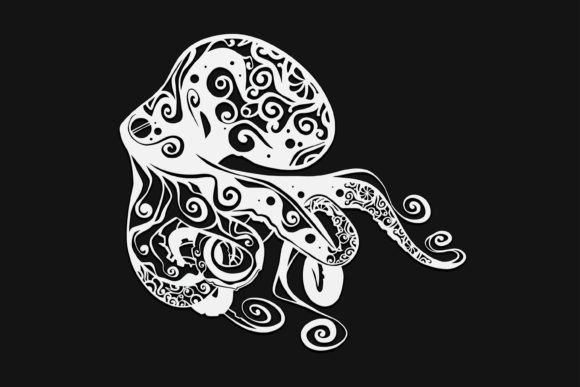
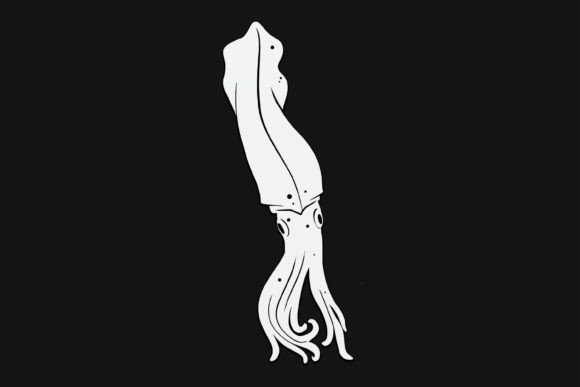
The moment you open Squid Drawing 141, it feels distinctively modern yet timeless. Unlike many generic clip art options that feel flat or overly cartoonish, this drawing carries a specific mood. It is playful but retains a clean, graphic quality that suggests sophistication. The silhouette is strong, which is exactly what we want in machine embroidery design. In the world of custom apparel and handmade products, a design needs to hold its shape even when translated into thread.
The layout is simple enough to be versatile but detailed enough to show craftsmanship. It does not scream for attention with chaotic lines; instead, it invites the viewer to appreciate the form. For an Etsy seller or small business owner, this visual personality is gold. It works perfectly for boutique branding where you want a logo or accent that feels curated rather than mass-produced. Whether you are creating a nursery decor item or a trendy tote bag, the clean lines of Squid Drawing 141 promise a professional finish that builds customer trust.
Real-World Application: From Screen to Stitch
Let me take you through a scenario I often face. Imagine a client comes to you wanting a custom embroidered sweatshirt for a local ocean conservation event. They need something unique, not the standard starfish or anchor everyone else uses. This is where Squid Drawing 141 shines. The design translates beautifully onto heavy cotton fleece or durable canvas. Because the base shapes are solid, the fill stitches can cover the fabric evenly without showing too much of the background material underneath.
I also tested the concept mentally for smaller items. Picture a personalized gift for a baby shower. The soft curves of the squid would look adorable on a onesie or a small bib. However, unlike complex portraits, this illustration avoids tiny, fragile details that might get lost in the stuffing of a plush toy or the tight weave of a cap. It is robust enough for commercial embroidery projects where durability matters. If you are making embroidered patches for backpacks or aprons, the clear outlines ensure the edges remain crisp after cutting and finishing.
The versatility extends to holiday gifts as well. During the winter season, placing Squid Drawing 141 on a kitchen towel or a pillow cover adds a whimsical touch that breaks the monotony of traditional patterns. It fits seamlessly into a collection of handmade products because it feels like a cohesive part of a larger brand identity. When buyers see consistent, high-quality graphics across your shop, they are more likely to return.
Where Caution Is Required
While Squid Drawing 141 is a strong candidate for many projects, an experienced designer knows that no single design fits every surface perfectly. There are specific situations where you must proceed with care. If you are working with a very small hoop size, such as those used for cuff embroidery or delicate jewelry boxes, you need to evaluate the density of the design closely. While the drawing is clean, any intricate internal lines could become muddy if the stitch count is too high for the space available.
Textured fabrics present another challenge. On a rough tweed or a heavily napped fabric, the definition of the squid's tentacles might soften more than intended. Similarly, stretchy fabrics like jersey knit require a stabilizer strategy that accounts for movement. Without proper support, the tension of the embroidery could distort the fabric, ruining the clean lines of the illustration. Dark fabrics also demand a strategic approach to thread colors. If you choose light threads on dark fabric without a sufficient underlay, the design may lack the pop and clarity needed for a premium look.
Curved surfaces like caps can be tricky. While the design is adaptable, the curvature of a hat crown can flatten out certain angles, potentially altering the perceived symmetry of the squid. For these applications, testing on a scrap piece of the actual garment material is non-negotiable. You must also consider the end use of the product. Items that will undergo frequent washing, like work aprons or children's clothes, benefit from denser stitching to prevent fraying, so check the stitch density before finalizing the production run.
Design Notes for the Practical Maker
If you are planning to use Squid Drawing 141 for your craft business or personal projects, here is some practical advice based on real-world experience. First, always test the design on scrap fabric. This step reveals how the satin stitch behaves on your specific material and helps you adjust the tension before committing to a finished product. Second, review the stitch density carefully. High density can make the fabric stiff, while low density might leave gaps. Finding the balance ensures the embroidery project feels luxurious to the touch.
Thread color selection is critical for visual appeal. Since the source files include solid black transparent SVG, PNG, and DXF versions, you have the flexibility to create mockups in various colorways. Try contrasting light threads against dark backgrounds and vice versa to see which offers the best recognition. Do not forget to inspect small details in your digitized version. Sometimes, scaling a design down can merge two separate lines into one blob. Ensure that the corners and fine points of the squid remain distinct.
Using a proper stabilizer is the unsung hero of successful embroidery. Whether you are working on a tote bag design or a sweatshirt embroidery piece, the right backing prevents puckering and maintains the integrity of the Squid Drawing 141 shape. Additionally, if you plan to sell finished items, confirm the licensing terms regarding commercial embroidery. Understanding whether you can sell the physical goods or just the digital assets protects your business from legal issues.
Final Verdict on Visual Appeal and Value
In conclusion, Squid Drawing 141 brings a fresh, engaging energy to the table. It elevates the perceived value of a handmade product because it looks intentional and well-designed. Customers today are savvy; they can tell the difference between a generic download and a thoughtfully executed design asset. By choosing this illustration, you signal to your audience that you care about quality and detail.
Whether you are an Etsy seller looking to expand your catalog, a creative entrepreneur building a brand, or a hobbyist making a special gift, this design offers a solid foundation. It balances artistic charm with technical feasibility. Just remember to respect the limitations of your materials and machines. Test thoroughly, choose your threads wisely, and prepare your fabric correctly. When done right, Squid Drawing 141 transforms from a simple digital file into a cherished, tactile piece of art that people will love to own and wear.