Emu Mandala Drawing 96: A Designer’s Practical Review
As a designer who spends more time analyzing stitch density and fabric behavior than scrolling through endless marketplaces, I approach every new digital asset with a healthy dose of skepticism. We have all been burned by designs that look stunning on a screen but turn into a tangled mess of thread once they hit the hoop. That is why I take the time to evaluate these files not just as "graphics," but as functional tools for real-world application. Today, I am putting Emu Mandala Drawing 96 under the microscope to see if it holds up in actual embroidery work.
First Impressions: Mood and Visual Personality
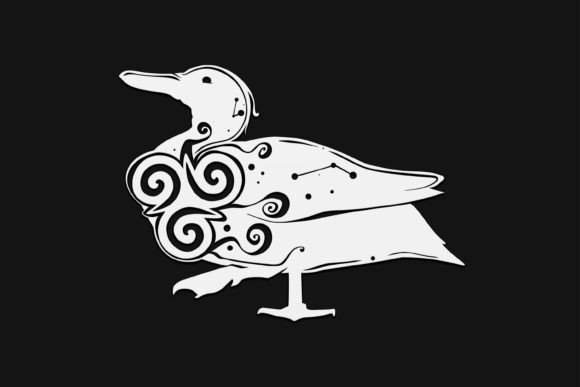
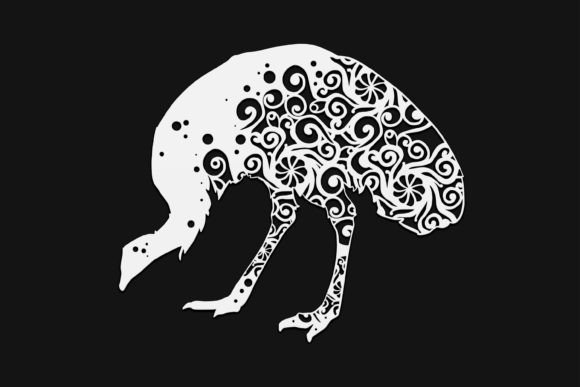
The moment you open the file, the first thing that strikes you is the balance between organic flow and geometric precision. The title suggests an emu motif, but the execution leans heavily into a mandala structure. This creates a unique visual tension that is highly appealing for modern craft businesses. It feels grounded yet intricate, avoiding the overly cute or childish aesthetics that saturate many nursery collections.
From a design perspective, the layout is circular, which immediately signals versatility. Circular designs are the bread and butter of successful embroidered products because they fit naturally into standard hoop shapes without wasting space or requiring awkward cropping. The solid black transparent SVG provided gives us a clean silhouette to work with, allowing us to visualize how the negative space will interact with different thread colors. It has a bohemian, earthy vibe that fits perfectly with current trends in handmade home decor and boutique apparel.
Real-World Application: Where This Design Shines
In my experience, the true test of a machine embroidery design is its adaptability across various product types. I ran mental simulations of Emu Mandala Drawing 96 on several common items to gauge its potential.
Tote Bags and Canvas Goods
This is perhaps the strongest use case. The mandala shape works beautifully as a central focal point on a natural canvas tote. Because the design relies on clear lines and distinct sections, it translates well to simpler thread palettes. Imagine using a warm terracotta or mustard yellow thread on a beige bag; the contrast would be striking. It elevates a basic accessory into a statement piece, perfect for an Etsy seller looking to create high-margin boutique branding.
Sweatshirts and Heavy Apparel
For sweatshirt embroidery, this design offers a sophisticated alternative to typical text-based graphics. Placed over the heart or centered on the back, the mandala adds texture and depth. The circular nature of the design helps break up the large flat surface area of a sweatshirt chest, creating a balanced composition. It appeals to customers who want something artistic but not overwhelming.
Baby Items and Nursery Decor
While the subject is an emu, the mandala format softens the imagery, making it suitable for baby embroidery. A smaller version stitched onto a muslin blanket or a hooded towel could serve as a unique gift item. The symmetry provides a calming visual rhythm that parents often appreciate in nursery settings. However, care must be taken with scale; too small, and the details get lost.
Technical Considerations and Stitch Behavior
When evaluating any embroidery file, we must look beyond the aesthetic and consider the mechanics. Emu Mandala Drawing 96 appears to utilize a mix of fill stitches for the body of the design and potentially satin or running stitches for finer details. This combination is generally reliable, but it requires attention to stitch density.
If the stitch density is too high, the fabric may pucker, especially on lighter materials like cotton tea towels or thin jersey knits. Conversely, if the density is too low, the underlying fabric might show through, ruining the crispness of the mandala pattern. As a reviewer, I advise checking the digitization closely to ensure that the transition areas between different stitch types are smooth. Poorly executed transitions can lead to thread breaks or visible gaps in the final product.
Where to Use Caution
No single design is perfect for every scenario. There are specific contexts where Emu Mandala Drawing 96 might struggle:
- Small Hoop Sizes: If you attempt to downscale this design significantly for tiny applications like socks or small baby booties, the intricate details of the emu and mandala elements may merge into an indistinguishable blob. Clarity is key, and this design demands enough surface area to breathe.
- Textured or Stretchy Fabrics: Avoid using this on heavy denim, fleece, or highly stretchy spandex blends without proper stabilization. The complexity of the design means there are many directional changes in the stitching path. On unstable fabrics, this can lead to distortion, causing the mandala to look warped rather than symmetrical.
- Dense Stitch Areas: Be mindful of the thickest parts of the design. If you are embroidering on dark fabric, ensure your thread choice provides enough coverage. You do not want the base color showing through the dense fill areas, which can make the finished product look cheap.
- Curved Surfaces: While caps and hats are popular, placing a large circular mandala on the curved front panel of a structured cap can be challenging. It may require a specific hat hoop and careful placement to avoid foreshortening, where the center looks larger than the edges due to perspective.
Strategic Value for Sellers and Makers
For those building a craft business or selling digital embroidery files, understanding the end-user appeal is crucial. Emu Mandala Drawing 96 taps into the growing demand for nature-inspired, handcrafted aesthetics. It is versatile enough to be marketed as a personalized gift for animal lovers or as a trendy addition to a boho-chic clothing line.
The inclusion of multiple formats (SVG, PNG, DXF) in the original listing is a significant plus. It allows designers to create printable mockups for marketing purposes before even touching the embroidery machine. You can quickly generate images for social media, showcasing the design on various backgrounds to test visual appeal. This flexibility saves time and helps in validating the design's marketability before investing in production runs.
Final Verdict and Practical Advice
After reviewing the structural integrity and visual impact of Emu Mandala Drawing 96, I find it to be a strong candidate for a wide range of embroidery projects. It strikes a good balance between detail and wearability, making it suitable for both personal hobbies and commercial ventures.
To ensure success, follow these practical steps:
- Test on Scrap Fabric: Always run a test stitch-out on the exact fabric you plan to use. This reveals issues with tension, stabilizer choice, and thread compatibility that cannot be seen on screen.
- Check Stabilizer Needs: Depending on the density, you may need cut-away stabilizer for stability during stitching, especially for woven fabrics. For knits, tear-away or wash-away might suffice depending on the weight.
- Verify Licensing: Before incorporating this into any commercial embroidery products, double-check the license terms provided by the creator. Ensure you have the right to sell finished goods made from this design.
- Experiment with Thread Colors: Don't limit yourself to traditional colors. Try variegated threads for the mandala sections to add depth, or use metallic threads for accents to elevate the perceived value of the handmade product.
In conclusion, Emu Mandala Drawing 96 is a well-conceived design asset that offers genuine utility for designers and sellers. Its adaptable layout and appealing aesthetic make it a valuable addition to any library of design assets. With careful execution and appropriate material choices, it can help you create professional, high-quality finished products that resonate with customers.