Cockatoo Mandala Drawing 83 Graphics and Illustrations Review
In the world of digital publishing, visual communication is not merely decorative; it is a critical component of user experience and reader retention. As a blog designer and digital publisher who has spent years optimizing content for both search engines and human readers, I evaluate every design asset based on its ability to enhance editorial quality, support brand identity, and drive engagement. Today, I am reviewing Cockatoo Mandala Drawing 83, a graphic design asset that offers unique potential for bloggers, content creators, and small business owners looking to elevate their visual storytelling.
The First Impression: Editorial Mood and Visual Identity
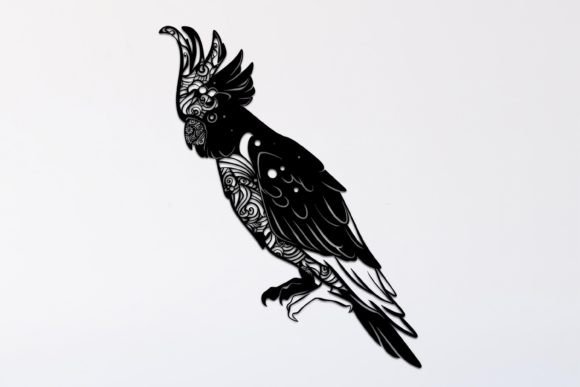
When Cockatoo Mandala Drawing 83 first appears in a design workspace, it establishes an immediate sense of artistic sophistication. The intricate line work of the mandala, combined with the organic silhouette of the cockatoo, creates a mood that is both playful and refined. This is not a generic clip-art image; it feels like a piece of modern design suitable for high-end editorial layouts. The aesthetic leans toward the feminine, lifestyle-focused, and artistic, making it particularly effective for niches such as wellness, bohemian fashion, creative hobbies, mental health, and artisanal products.
For content marketers and affiliate marketers, this visual style supports a narrative of creativity and mindfulness. It signals to the reader that the content associated with it is curated, thoughtful, and polished. In an era where users scroll rapidly through social media feeds and blog posts, a clean, bold, yet decorative graphic can stop the scroll. It adds a layer of professional polish that helps build reader trust, suggesting that the publisher cares about the details of their presentation.
Real-World Publishing Applications
The versatility of Cockatoo Mandala Drawing 83 makes it a valuable addition to any digital publisher’s toolkit. Because it is available in multiple formats, it can be integrated into various stages of the content creation workflow. Here is how this asset fits into real publishing situations:
- Blog Featured Images and Headers: Use the design as a subtle overlay or a central element in your article headers. Its transparent background allows you to place it over solid colors or gradient backgrounds without clipping issues, ensuring a clean look across different devices.
- Pinterest Pins and Social Media Graphics: Pinterest is a visual search engine, and high-quality graphics are essential for click-through potential. This mandala design works beautifully as a background texture for text overlays, helping to create a consistent brand identity across your pins.
- Digital Guides and Lead Magnets: For newsletter creators and online educators, this asset is perfect for eBook covers, downloadable printables, and worksheet designs. It adds a touch of elegance to educational materials, making them feel more premium and worth downloading.
- Newsletter Banners: Enhance your email marketing campaigns by using the design in header images. It breaks up text-heavy emails and provides a visual anchor that guides the reader’s eye to the call-to-action buttons.
- Website Category Thumbnails: If you run a content website with multiple categories, use variations of this graphic (perhaps in different colors) to create distinct category visuals. This improves site navigation and helps users recognize specific content themes at a glance.
Supporting Content Performance and Brand Trust
Investing in high-quality design assets directly impacts your content performance. When you use Cockatoo Mandala Drawing 83 consistently across your platforms, you strengthen your visual hierarchy. A clear visual hierarchy ensures that readers know where to look first, reducing cognitive load and increasing the likelihood that they will read your entire article or complete a purchase.
Furthermore, a cohesive visual system contributes to stronger branding. When your blog graphics, social media posts, and downloadable resources share a common design language, you create a memorable brand identity. This consistency is crucial for affiliate marketing and commercial design, as it reinforces credibility. Readers are more likely to trust recommendations from a source that looks professional and well-maintained. By using a sophisticated illustration like this, you signal that your content is authoritative and carefully crafted.
Where the Design Asset Works Best
To maximize the impact of Cockatoo Mandala Drawing 83, consider these optimal use cases:
- Hero Images: Place the graphic prominently on landing pages to create an inviting first impression.
- Editorial Accents: Use smaller versions of the mandala as bullet points, section dividers, or corner accents in long-form articles.
- Content Upgrades: Offer exclusive PDFs or checklists featuring this design as a bonus for subscribers, encouraging email list growth.
- Social Media Previews: Ensure your links shared on Facebook, LinkedIn, or Twitter feature this graphic to increase visibility in newsfeeds.
Areas Requiring Careful Consideration
While this asset is versatile, there are scenarios where it may not be the best choice. Bloggers should avoid using complex illustrations like this in very small mobile thumbnails, where the intricate lines may become indistinct. Additionally, if your niche is strictly corporate, legal, or financial, the playful and artistic nature of the cockatoo mandala might clash with the serious tone required. In such cases, a more minimal visual system would be appropriate.
Also, be cautious when placing this graphic on busy layouts or low-contrast backgrounds. The design needs breathing room to be appreciated. If your blog theme is already cluttered with patterns and bright colors, adding another detailed graphic can overwhelm the reader. Always prioritize readability and clarity in your web design decisions.
Practical Publisher Notes for Implementation
Before integrating Cockatoo Mandala Drawing 83 into your projects, keep these technical and strategic tips in mind:
- File Formats: The product includes solid black transparent SVG, PNG, and DXF versions. Use SVG for scalable vector graphics on websites to ensure crisp rendering at any size. Use PNG for social media posts where transparency is needed but vector support varies.
- Compatibility: For optimal use, especially with the DXF files, ensure you have knowledge of cutting software if you plan to produce physical products. For digital use, standard graphic design tools like Adobe Illustrator, Photoshop, or free alternatives like Canva will handle the SVG and PNG files easily.
- Font Pairing: Test the graphic with various font styles. It pairs well with serif fonts for an elegant, editorial look, or sans-serif fonts for a modern, clean aesthetic. Avoid overly decorative script fonts that compete with the mandala’s complexity.
- Contrast and Readability: Always check contrast ratios. If you place text over the graphic, ensure the text remains legible. Using a semi-transparent overlay behind text can help maintain readability.
- Web Performance: Compress images properly before uploading to your website. Large file sizes can slow down page load times, which negatively affects SEO and user experience. Tools like TinyPNG can help optimize PNG files without significant quality loss.
- Licensing: Confirm the commercial license terms before using the asset on monetized websites, affiliate pages, or paid content products. Understanding the usage rights protects you from legal issues and ensures you can fully leverage the asset for your business goals.
In conclusion, Cockatoo Mandala Drawing 83 is a high-quality graphic design asset that can significantly enhance the visual appeal of your digital content. Whether you are designing a lead magnet, updating your website header, or creating social media graphics, this illustration offers the artistic depth and professional polish needed to stand out in a crowded digital landscape. By integrating it thoughtfully into your content marketing strategy, you can improve reader engagement, strengthen your brand identity, and ultimately achieve better results in your publishing endeavors.