Turkey Mandala Drawing 123 Graphics and Illustrations Review
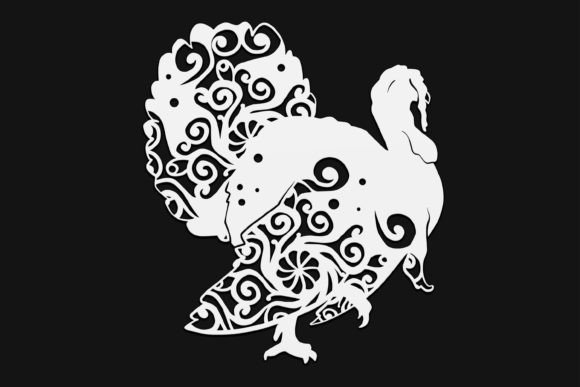
When I first opened the preview for Turkey Mandala Drawing 123, my immediate reaction was one of cautious optimism. As a designer who frequently navigates the delicate balance between whimsical charm and professional polish, I am always skeptical of clipart that feels too generic or overly complex. However, this particular asset strikes a compelling chord. It is not just a simple silhouette; it is a structured, intricate piece of art that demands attention without screaming for it. The visual mood here is distinctly bohemian yet grounded in symmetry, creating an atmosphere that feels both festive and sophisticated. This is the kind of graphic design asset that can elevate a project from "craft store DIY" to "boutique brand identity" if handled with care.
I recently evaluated this file while developing a visual concept for a small business client launching a seasonal line of artisanal goods. The client wanted to evoke feelings of warmth, community, and handmade authenticity, specifically targeting the autumn and winter holiday markets. In this context, Turkey Mandala Drawing 123 emerged as a strong contender. The mandala structure provides a central focal point that naturally draws the eye, making it ideal for packaging design where shelf presence is critical. Unlike a standard turkey illustration that might feel cartoonish, the mandala interpretation adds a layer of visual trust and recognition associated with higher-quality craft items. It suggests that the product inside is thoughtfully designed, mirroring the effort put into the exterior packaging.
The versatility of this digital product extends far beyond a single use case. For designers working on brand identity systems, this asset serves as an excellent anchor for decorative accents. Imagine placing this black transparent PNG design on the back of a kraft paper box for gourmet popcorn or a limited-edition candle collection. The solid black fill ensures high contrast against natural textures, while the intricate internal lines allow the design to hold its own even when scaled down slightly. It works beautifully as a sticker design element, adding a touch of elegance to product labels that need to stand out in a crowded Etsy shop or print-on-demand marketplace.
In terms of layout application, the asset performs best in large layout areas where its details can breathe. It is perfect for hero graphics on a website’s landing page, particularly for editorial design pieces or blog visuals that focus on lifestyle content. When used as a supporting brand element in social media graphics, such as Pinterest pins or Instagram posts, it adds depth without overwhelming the accompanying text. I found that pairing it with ample negative space allowed the intricate patterns to shine, creating a modern design aesthetic that feels curated rather than cluttered. It also translates exceptionally well to sublimation design applications, where the detailed vector paths ensure crisp edges on fabric surfaces like tote bags or t-shirt design projects.
However, not every application is suitable for this level of detail. Designers must exercise caution when considering Turkey Mandala Drawing 123 for small sizes or crowded layouts. If you attempt to reduce this asset to a favicon size or place it within a dense block of text, the fine lines will likely merge into a muddy blob, destroying the visual hierarchy. Similarly, using this on complex backgrounds or low-contrast designs can make the asset disappear entirely. It is generally ill-suited for minimalist branding or professional corporate materials where clean, stark simplicity is required. The ornate nature of the mandala clashes with the rigid, utilitarian aesthetics often found in tech or finance sectors. Instead, it thrives in environments that celebrate creativity, such as handmade business campaigns, creative marketplace listings, or artistic workshops.
The emotional appeal of this illustration lies in its ability to bridge tradition and trend. The mandala form carries connotations of wholeness and balance, which resonates deeply with audiences seeking authentic, meaningful connections with brands. By applying this form to a turkey motif, the asset taps into seasonal nostalgia while maintaining a contemporary edge. This duality enhances audience engagement, as viewers are drawn to the familiar shape but intrigued by the artistic execution. For marketing visuals, this means higher click-through rates on digital ads and greater shareability on social platforms, as users are more likely to save visually striking, aesthetically pleasing content.
From a technical standpoint, the inclusion of multiple file formats significantly boosts the utility of this design bundle. The provision of a solid black transparent SVG design allows for infinite scalability without loss of quality, which is essential for large-format printing or resizing for different web contexts. The DXF version opens doors for physical production, enabling Cricut users and laser cutters to create tangible merchandise from the digital file. Meanwhile, the PNG design offers immediate usability for quick edits in raster-based software or direct upload to platforms like Canva template editors. Before integrating these files into a commercial design workflow, it is prudent to inspect the PNG transparency closely to ensure clean edges, and to verify the SVG vector editability to confirm that nodes are organized logically for potential color adjustments.
Typography plays a crucial role in how this asset is perceived. When pairing fonts with Turkey Mandala Drawing 123, consider the interplay between type styles. A serif font can enhance the classic, timeless feel of the mandala, grounding the design in tradition. Conversely, a sans serif font can modernize the look, making it feel fresh and approachable for a younger demographic. Script or handwritten fonts might complement the handmade aesthetic but risk competing with the intricate lines of the drawing if not chosen carefully. Display fonts should be used sparingly, perhaps as a headline accent, to avoid visual noise. The key is to maintain a clear distinction between the illustrative element and the textual information to preserve readability.
Practical designer notes are essential before committing to this asset for a real client project. Always test the design in black and white to ensure the structural integrity holds up without the aid of color. Check the contrast on both light and dark backgrounds to guarantee visibility across various mediums. Previewing the asset at small and large sizes helps identify any potential resolution issues early in the process. Placing the graphic on real product mockups provides a realistic assessment of how it interacts with physical materials, such as paper grain or fabric texture. Furthermore, reviewing the commercial license is non-negotiable; understanding the boundaries of usage rights protects both the designer and the client from legal complications.
In conclusion, Turkey Mandala Drawing 123 is a versatile and visually engaging graphic design asset that offers significant value for creative professionals. Its intricate mandala style lends itself well to a wide range of applications, from packaging design and brand identity to digital marketing and physical crafts. While it requires thoughtful placement to avoid visual clutter, its ability to convey warmth, sophistication, and seasonal charm makes it a powerful tool in a designer’s arsenal. For those looking to add a touch of artistic flair to their projects, this illustration stands out as a reliable and stylish choice.