Wild Flower Mug Sublimation Design Review
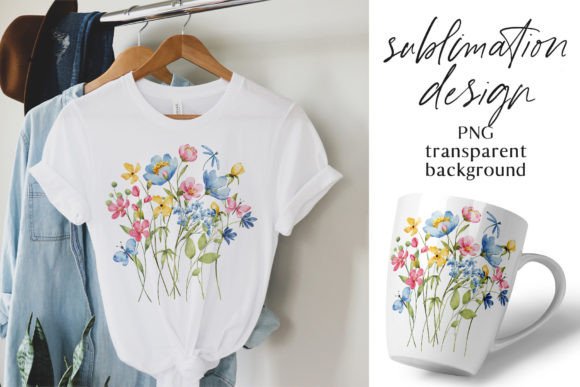
As a designer who spends more time than I care to admit staring at stitch density charts and testing thread tension, I approach every new digital asset with a healthy dose of skepticism. We are often sold on the glossy preview image, only to find that the reality on fabric is a tangled mess of puckering or muddy colors. Recently, I came across the Mug Sublimation Design with Wild Flowers, marketed primarily as a sublimation graphic for mugs, but my immediate thought was: how does this translate to actual embroidery work? Can this watercolor-style clipart hold up in a hoop? Is it viable for a small business owner looking to add a touch of spring to their inventory?
This review isn’t about printing coffee mugs. It’s about evaluating the visual DNA of this design to see if it has the structural integrity and aesthetic appeal to survive the rigors of machine embroidery, applique work, or high-quality custom apparel decoration.
The First Impression: Mood and Visual Personality
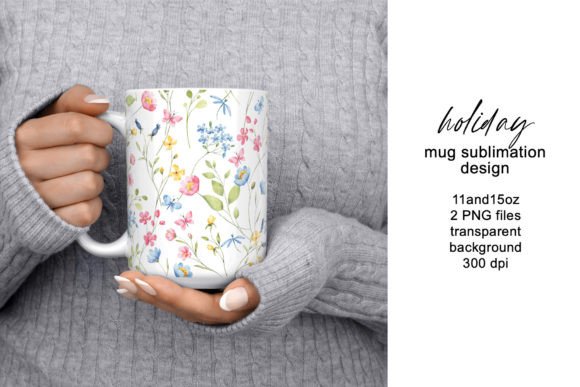
When you first open the PNG file, the immediate takeaway is the bright, airy mood. The wild flower theme suggests a rustic, organic feel—perfect for brands that want to project warmth, nature, and handmade authenticity. The transparent background is a huge plus for designers, allowing us to isolate the floral cluster without fighting against a white box during the digitizing or mockup process.
However, because this is originally described as a watercolor clipart rather than a vector-based embroidery file, we have to be careful about expectations. Watercolor effects rely on soft gradients and bleeding edges. In embroidery, these soft transitions don't exist unless we are using advanced techniques like 3D puff or very specific multi-color satin stitches that mimic shading. For most standard machine embroidery setups, this design will need to be interpreted as a bold graphic. If you are an Etsy seller or run a craft business, you need to know that this design works best when it is treated as a clean, illustrative motif rather than trying to replicate a painterly texture through thread alone.
Real-World Application: From Digital File to Finished Product
Let’s talk about where this design actually shines. I recently imagined using this Mug Sublimation Design with Wild Flowers for a line of personalized kitchen towels and aprons. The aspect ratio of the original file (8.75 x 3.75 inches) is wide, which is interesting for embroidery. While it’s not a perfect square for a chest logo, it translates beautifully to horizontal placements.
Imagine a heavy cotton canvas apron. Placing a stitched version of these wild flowers horizontally across the bib area creates a sophisticated, boutique look. It feels less like a generic patch and more like a curated design element. Similarly, for custom apparel, this layout could work well on the front pocket of a sweatshirt or centered on the back of a lightweight t-shirt. The "wild" nature of the flowers allows it to fit into bohemian, farmhouse, or garden-themed niches without feeling out of place.
For digital product sellers, this image is gold for creating printable mockups. You can overlay this design onto photos of ceramic mugs, tote bags, and pillow covers to show potential buyers what the final aesthetic looks like before they commit to buying the physical item. It serves as excellent design assets for visual marketing, even if the end-user needs to convert it for their own production method.
Where to Use It Carefully: Limitations and Risks
No design is universal, and this one has specific constraints. Because the original format is a raster PNG intended for sublimation, attempting to use it directly in a dense embroidery setup on difficult fabrics requires caution.
- Small Hoop Sizes: If you try to cram this full-width floral arrangement into a small 4x4 inch hoop, you will lose critical details. The individual petals and leaves may merge into an indistinct blob. Ensure your hoop size accommodates the width of the design without excessive trimming.
- Textured and Stretchy Fabrics: Embroidery on textured fabrics like chenille or highly stretchy jersey knit can distort fine lines. If the wild flower stems are thin, they might break or look jagged. This design performs best on stable, woven fabrics like cotton, linen, or denim.
- Dense Stitch Areas: If you digitize this yourself, avoid overloading the fill areas. Watercolor styles look best with negative space. Trying to pack too much stitch density will make the fabric stiff and heavy, ruining the drape of a tote bag design or a baby garment.
- Curved Surfaces: Applying this to caps or hats requires careful placement. The wide layout might wrap awkwardly around the curve of a baseball cap brim or crown. Test the curvature on a scrap piece of hat material first.
Technical Considerations for the Designer
Before you load this into your embroidery software, there are several practical steps to ensure your finished product looks professional.
First, check your thread colors. Since the source is a bright, colorful PNG, you need to select threads that match the vibrancy of the original. Muted or dull threads will make the design look washed out and cheap. Conversely, if you are stitching on dark fabric, you must consider whether you want to use a contrasting backing or a light-colored underlay to prevent the dark fabric from showing through the lighter flower petals.
Second, inspect the small details. In the original PNG, some of the finer leaf veins might be too subtle for machine execution. You may need to simplify these elements during the digitizing phase to ensure they remain visible after stitching. A good rule of thumb is to test the design in black and white mockups; if it loses its shape without color, it will likely fail in embroidery.
Third, always use a proper stabilizer. For a design like this, which likely involves both outline and fill components, a cut-away stabilizer is recommended for durability, especially if the item will undergo frequent washing. A tear-away might leave residue or cause puckering over time, which damages customer trust.
Final Verdict: Is It Worth Your Time?
The Mug Sublimation Design with Wild Flowers is a versatile visual asset that transcends its primary label as a mug graphic. For embroidery designers and small shop owners, it offers a ready-made aesthetic that resonates with current trends in handmade and personalized goods.
It is particularly effective for holiday embroidery projects (like Easter or Mother’s Day gifts), baby embroidery items where soft, natural themes are preferred, and commercial embroidery pieces that aim for a rustic-chic vibe. However, success depends entirely on your preparation. Do not assume the PNG will stitch perfectly as-is. Treat it as a reference for composition and color, and invest the time to properly digitize or plan the stitch types.
If you are willing to do the homework—checking your fabric texture, selecting the right applique design techniques if needed, and confirming licensing terms for commercial use—this design can elevate your handmade product line significantly. It adds a layer of visual interest that generic geometric patterns simply cannot match, helping your personalized gift offerings stand out in a crowded marketplace.
Ultimately, this is a strong candidate for anyone looking to add a splash of nature-inspired elegance to their craft business. Just remember: the beauty is in the preparation. Test, refine, and then stitch.