Plague Doctor Mandala Drawing 12 Review
As a designer who spends half my life staring at stitch maps and the other half worrying about how a design will hold up after twenty wash cycles, I don’t just look at an embroidery file; I look at its potential in the real world. When Plague Doctor Mandala Drawing 12 landed on my desk, I didn’t see just another digital asset. I saw a conversation starter. But before I commit this to a client’s order or list it as a flagship item in my own shop, I need to know if it works. Does it translate well from screen to fabric? Is it too complex for the average home embroiderer, or is it the perfect centerpiece for a boutique brand?
This review breaks down exactly what I think about Plague Doctor Mandala Drawing 12 when viewed through the lens of practical application, commercial viability, and aesthetic impact.
The First Impression: Mood and Visual Weight
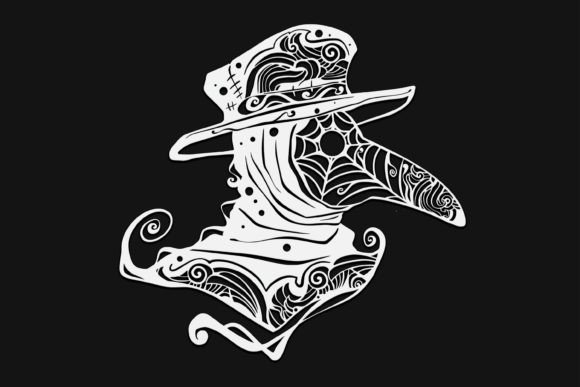
The moment you open the file, the visual personality of Plague Doctor Mandala Drawing 12 commands attention. It isn’t subtle. The juxtaposition of the historical plague doctor motif with the geometric precision of a mandala creates a striking tension. It feels both ancient and modern, chaotic yet structured. For a designer, this is gold. It gives you a narrative hook that customers love to read into their purchases.
In terms of layout, the circular nature of the mandala makes it incredibly versatile. It naturally draws the eye to the center, which is perfect for chest placements on sweatshirts or centered motifs on tote bags. The solid black lines in the base design suggest a high-contrast look that relies heavily on clean stitching. It doesn’t hide behind complexity; it leans into boldness. This is not a design for the faint of heart, nor is it for clients looking for something soft and pastel. It is for the bold, the alternative, and the detail-oriented.
Real-World Application: Where This Design Shines
I recently imagined using Plague Doctor Mandala Drawing 12 for a custom order. The scenario was a high-end, personalized leather tote bag for a customer who runs a small apothecary business. The dark, mysterious vibe of the plague doctor fits the theme perfectly, while the mandala structure adds a touch of spiritual or holistic balance that appeals to that specific niche.
Here is how I see this machine embroidery design performing across different product categories:
- Custom Apparel and Sweatshirts: Placing this on the back of a heavyweight cotton hoodie creates an instant statement piece. The mandala shape allows for a large, immersive print without feeling cluttered. It works beautifully as a sweatshirt embroidery focal point because the symmetry balances out the casual nature of the garment.
- Tote Bags and Canvas Goods: As mentioned, this is ideal for canvas. The stark lines of the design will pop against natural jute or black canvas. It elevates a simple tote into a handmade product with artistic merit, allowing you to charge a premium price point.
- Embroidered Patches: The circular format is practically begging to be made into a patch. Whether sewn onto a denim jacket or a backpack, this design has the visual weight to stand alone. It becomes a badge of identity for the wearer.
- Holiday Gifts and Seasonal Decor: While not strictly Halloween, the gothic elements make it a strong contender for autumn-themed decor. Think pillow covers for living rooms that lean towards eclectic or dark academia aesthetics.
For Etsy sellers and small shop owners, this design offers a unique angle. You aren’t competing with thousands of generic floral mandalas. You are offering something with character. This distinctiveness builds brand consistency and helps your finished product stand out in a crowded marketplace.
Technical Considerations and Stitching Challenges
No design is perfect, and knowing where a design struggles is just as important as knowing where it succeeds. With Plague Doctor Mandala Drawing 12, there are specific areas where caution is required.
First, consider the stitch density. Mandalas often involve intricate fill stitches or dense running stitches to maintain definition. If the density is too high, the fabric may pucker, especially on lighter materials. If it is too low, the fine details of the plague doctor’s mask and the mandala’s inner rings might blur together, losing the crispness that makes the design appealing. Always check the digitization to ensure the thread colors provide enough contrast between adjacent sections.
Second, think about the hoop size. A design of this complexity likely requires a larger hoop to capture all the details without excessive trimming. If you are working with smaller machines, you may need to split the design or accept that some outer details will be cropped. Confirm the recommended hoop size before marketing this as a universal design.
Third, fabric choice is critical. This design does not play well with stretchy knits unless you use a heavy-duty stabilizer. On thin fabrics, the tension required to keep the mandala taut might cause puckering. It is best suited for stable fabrics like cotton twill, denim, felt, or thick canvas. Avoid using this on delicate silks or thin polyester blends unless you are prepared for extensive testing.
Where to Use Carefully
There are certain applications where Plague Doctor Mandala Drawing 12 might not deliver the best results:
- Small Hoop Sizes: Trying to fit this intricate pattern into a tiny hoop will result in lost detail. The fine lines of the drawing may become indistinguishable blobs of thread.
- Textured Fabrics: While it looks great on smooth canvas, it can get lost on heavily textured fabrics like bouclé or rough wool. The design needs a relatively flat surface to shine.
- Curved Surfaces: Embroidering this directly onto a curved cap front can distort the mandala’s symmetry. It is better used on flat panels or patches that are then attached to curved items.
- Frequent Washing Items: If the stitch density is high, repeated washing can cause the threads to mat down, reducing the visual clarity of the design over time. Advise customers on proper care.
Designer Notes for Implementation
If you decide to incorporate Plague Doctor Mandala Drawing 12 into your workflow, here are my practical tips to ensure success:
- Test on Scrap Fabric: Never run a new design directly onto a final product. Test it on the exact fabric and stabilizer combination you plan to use. This reveals issues with thread breakage, tension, or backing visibility.
- Check Thread Color Contrast: Since the base design is provided in solid black transparent formats (SVG, PNG, DXF), you have the freedom to choose your thread colors. However, high contrast is key. Dark threads on light fabric or vice versa will yield the clearest results. Avoid low-contrast combinations like navy on black.
- Review Stitch Density: Inspect the digitization for any overly dense areas. If possible, adjust the underlay stitches to prevent fabric distortion. Proper stabilizer selection is non-negotiable here.
- Black and White Mockups: Before committing to color, view the design in grayscale. This helps you assess the balance of negative space versus filled areas. If the design looks muddy in black and white, it will likely struggle in color.
- Confirm Licensing: As a digital product seller or craft business owner, verify the licensing terms. Ensure you are allowed to sell finished goods created with this design. Some licenses restrict commercial use or require attribution.
Final Verdict
Plague Doctor Mandala Drawing 12 is more than just a decorative image; it is a robust design asset with strong commercial potential. It appeals to a specific, passionate demographic and offers designers a chance to create memorable, high-value embroidery projects. Its strength lies in its bold graphic quality and versatility across various media, from apparel to home decor.
However, it demands respect. It is not a "set it and forget it" design. It requires thoughtful fabric selection, proper stabilization, and careful attention to stitch details. When executed correctly, though, it delivers a finished product that feels professional, artistic, and deeply engaging. For those willing to put in the prep work, this design is a powerful addition to any embroidery file library.